Role
Product Designer
Timeline
August 2025 (updated in March 2026)
Type
Mobile Design
Skills
UX/UI Design Visual Design
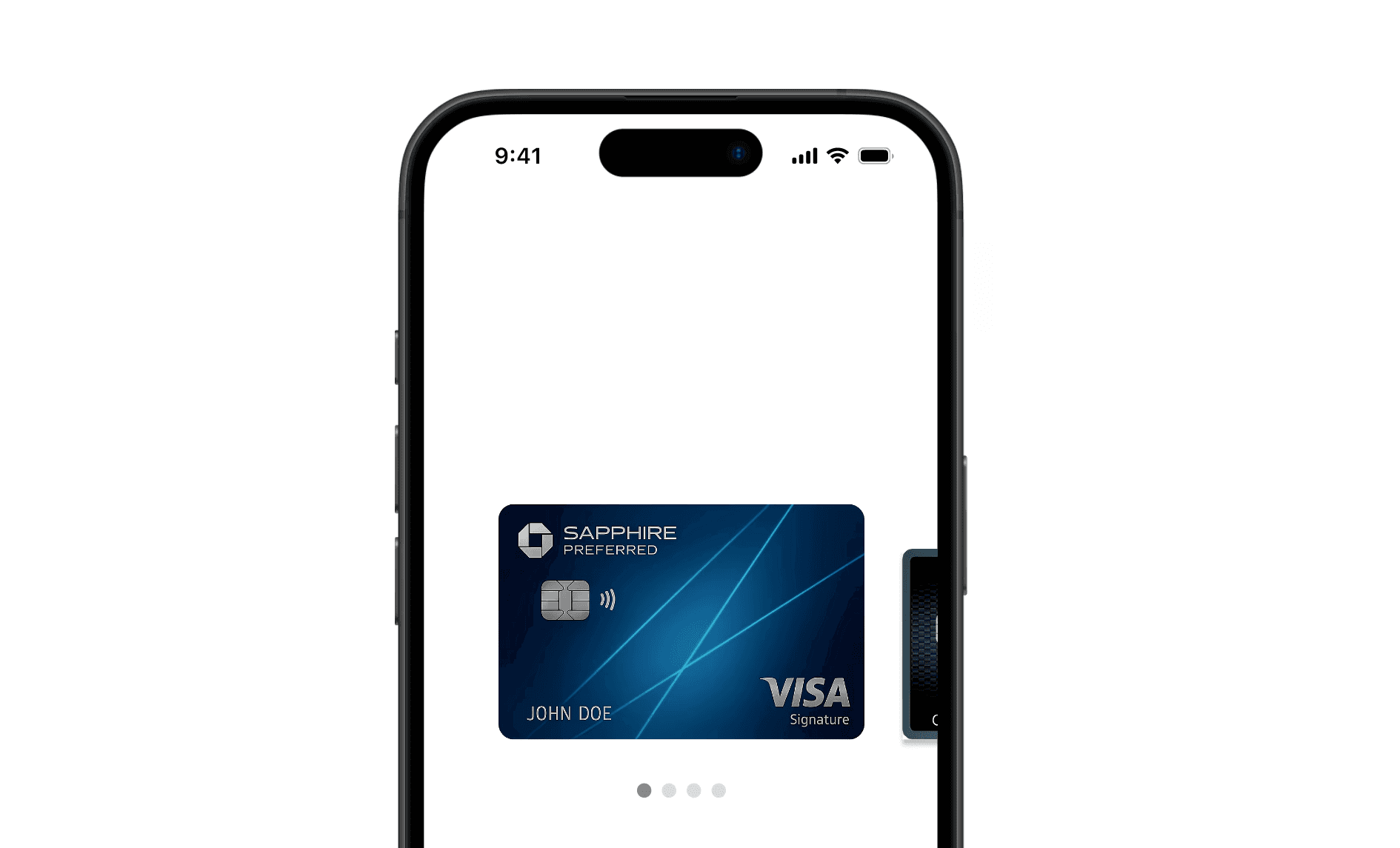
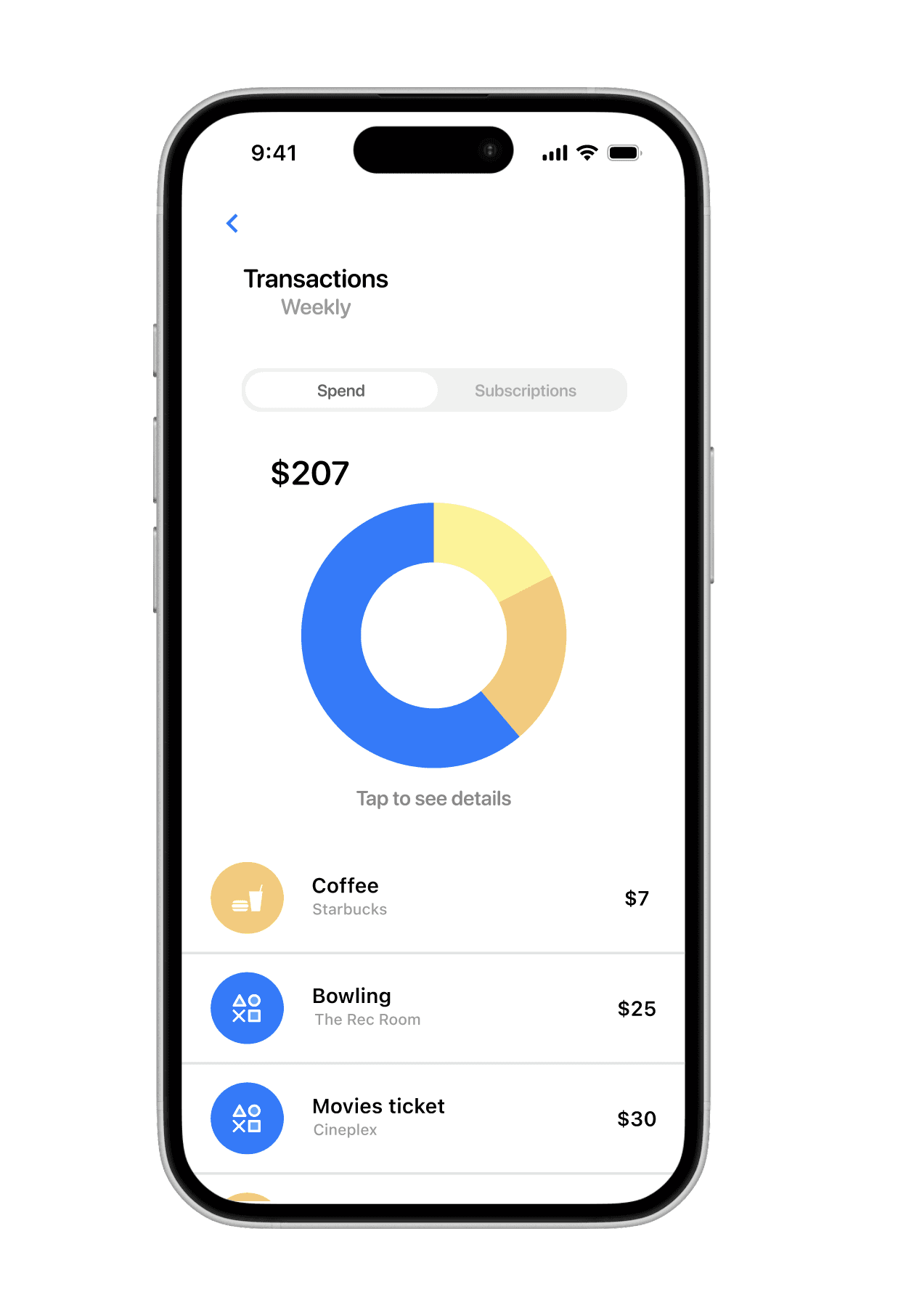
This digital wallet app was born from a frustration most people know too well: juggling multiple banking apps just to get a complete picture of personal finances. The constant logins and fragmented information sparked the idea for a unified solution that puts all your cards and financial data in one simple interface. The design process centered on creating something accessible for everyone. A minimalist aesthetic with clean lines became the foundation because financial apps shouldn't add stress to your life, they should actually remove it. Real-time expense tracking with visual breakdowns, consolidated card balance viewing, and payment due date notifications form the core functionality. The carousel interface lets users easily switch between accounts while providing immediate spending insights without overwhelming detail. The goal was creating something that eliminates the need for multiple financial apps while maintaining the clean, modern experience people expect. The result makes financial awareness effortless and immediate.
August 2025 version
March 2026 version
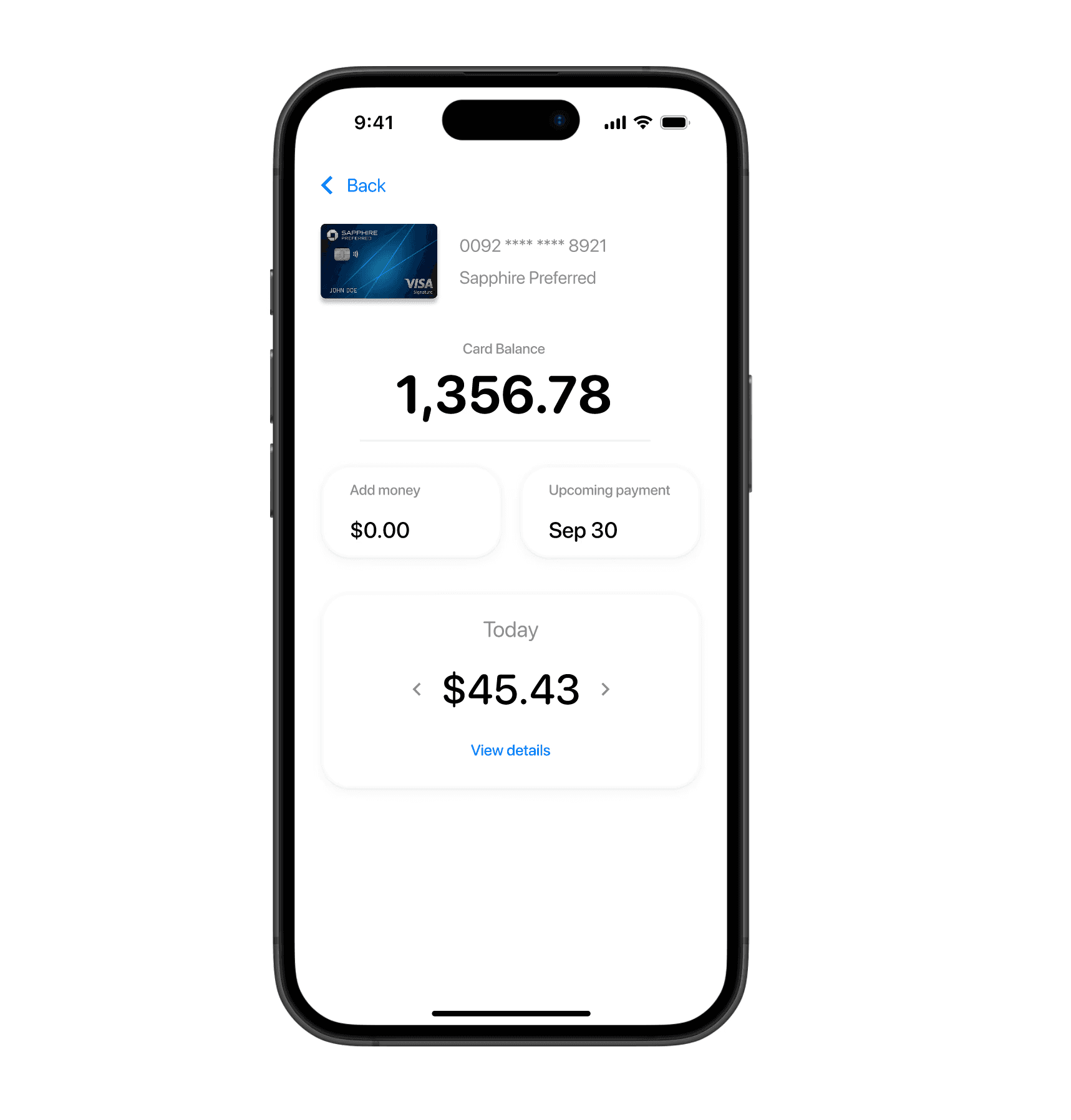
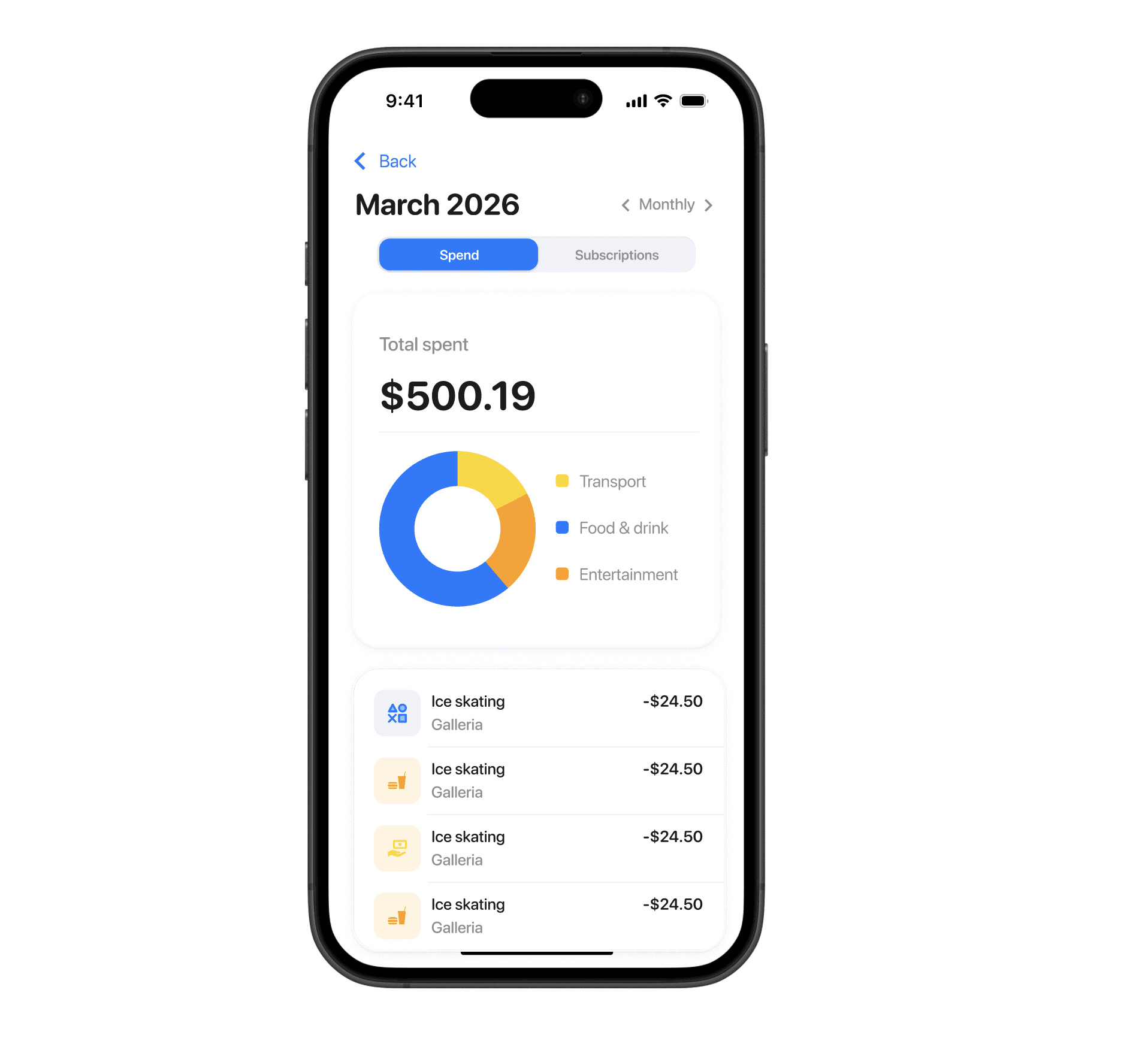
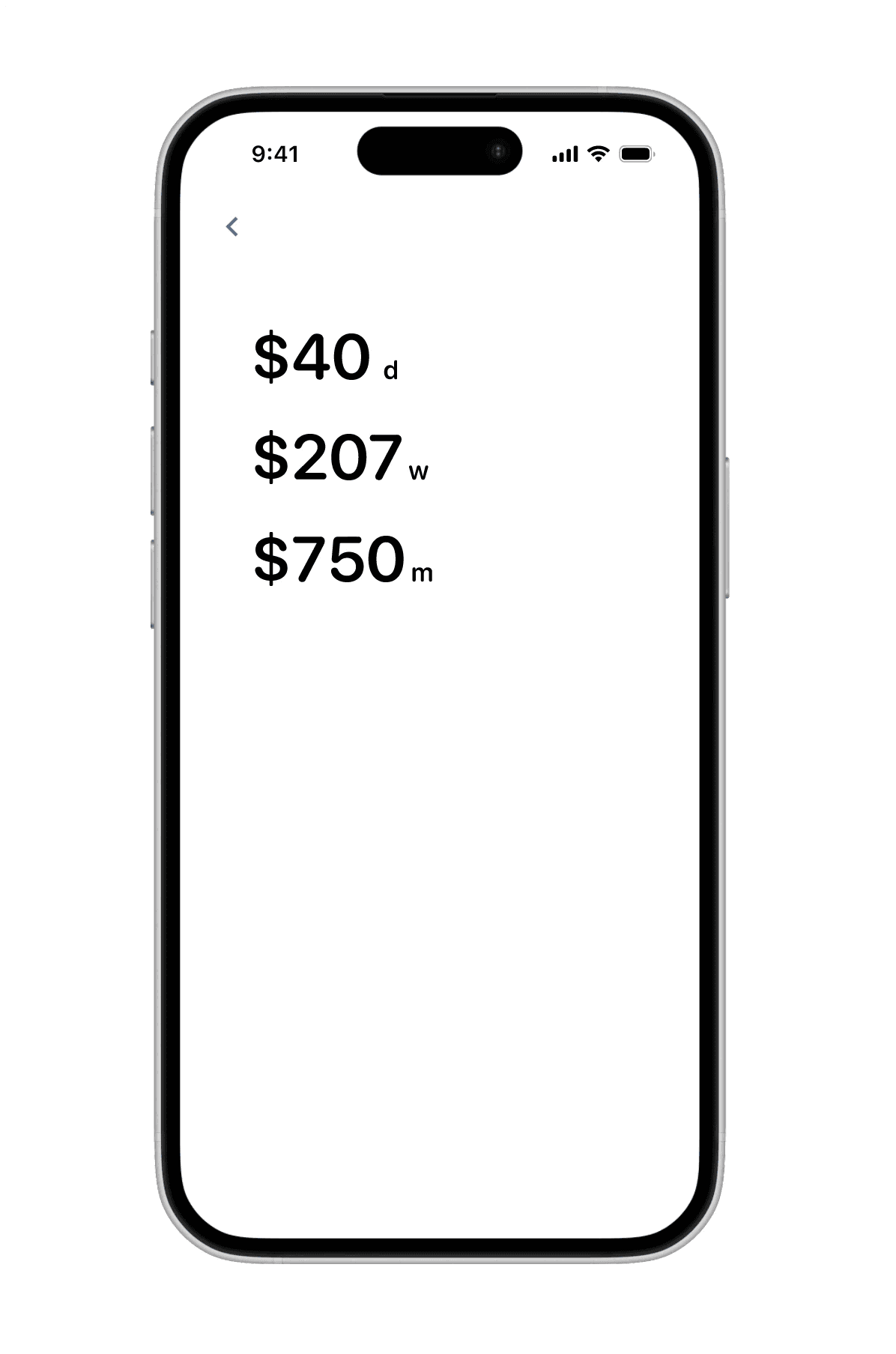
In August 2025, the challenge was presenting financial data in a digestible format. Visual hierarchy mattered. What demanded attention, what could sit back. The color system had to communicate status instantly, without making users parse numbers. Coming back in March 2026, I saw what my August self couldn't. Transitions felt static. The carousel moved without weight. Spacing was generous but not deliberate. I'd defaulted to "clean" without earning it. The structure worked. The interface didn't feel alive. I useed the same skeleton with sharper instincts. Applying tighter spacing and motion guides users around the product better.
I changed my ability to express in the design. Seven months of building other things made the gap between intent and execution visible. The August version leaned on defaults. iOS-blue CTAs, stock bank card art, a donut chart that did its job but didn't earn its space. In March, I started asking what each element was actually doing. Why default blue when the app has its own point of view? Why borrow card art when I could draw my own? Why a generic chart when it's the most-looked-at object on the screen? Most of the refinement came from replacing or removing, not adding. The CTA got rebuilt. The cards became custom. Type got a real scale. Motion became something you feel — a balance that settles, a number that takes a beat to land.